
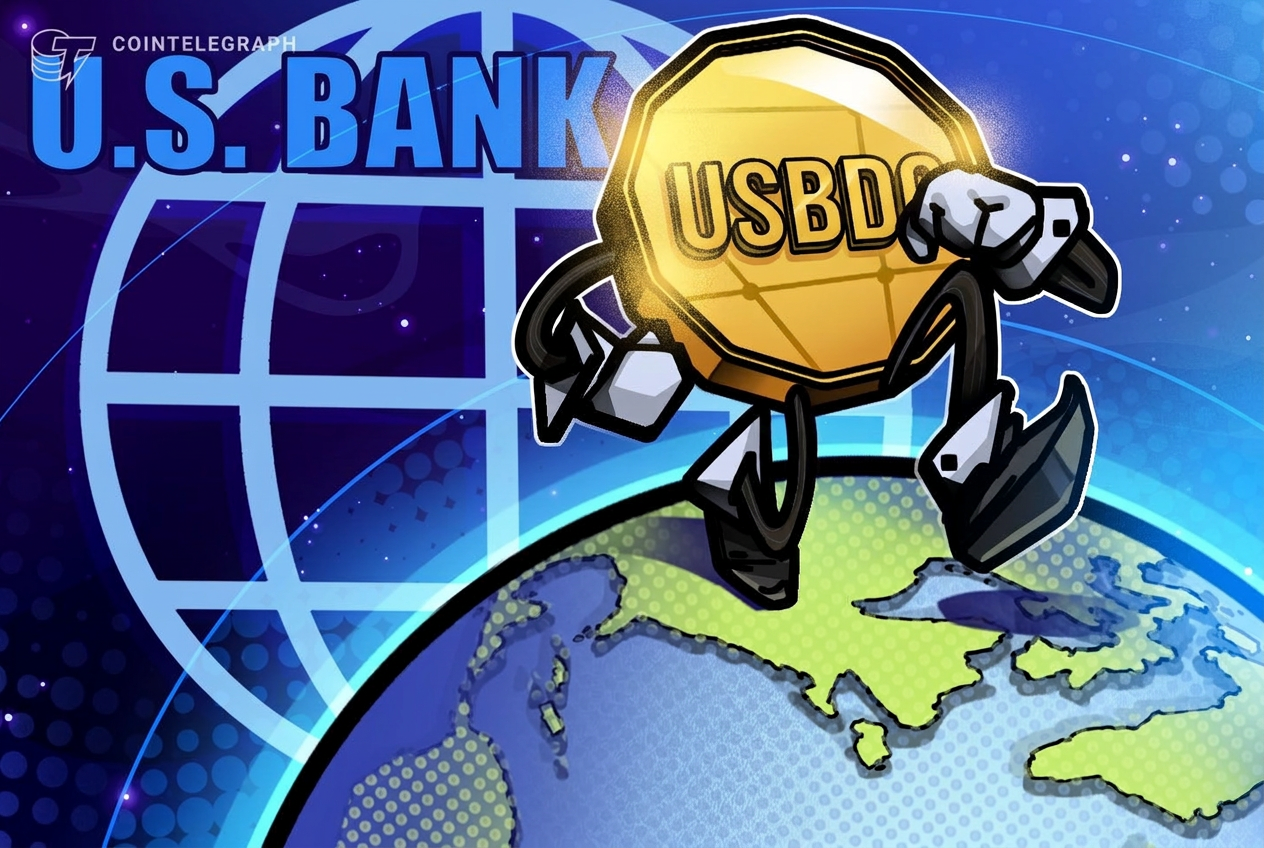
U.S. Bank Tests Proprietary Stablecoin in Cross-Border Stellar Transaction
In a significant development for the cryptocurrency and blockchain space, U.S. Bank has successfully tested its proprietary stablecoin, USBDC, in a cross-border transaction on the public Stellar blockchain. This pilot project marks a significant milestone in the bank's efforts to leverage blockchain technology for its financial operations.
The pilot transaction involved the movement of USBDC between the bank's North American and European entities, utilizing the Stellar blockchain's decentralized and open-source architecture. This achievement highlights the bank's commitment to exploring the potential of blockchain technology in facilitating secure, efficient, and cost-effective cross-border transactions.
Background and Context
Stellar is a decentralized, open-source blockchain network designed to facilitate cross-border payments and asset transfers. The network's native cryptocurrency, XLM, is used to facilitate transactions and provide liquidity to the network. Stellar's architecture is well-suited for cross-border transactions, as it enables fast and secure settlement of payments between parties in different regions.
U.S. Bank's decision to test its proprietary stablecoin on the Stellar blockchain is a strategic move to leverage the network's capabilities for its financial operations. Stablecoins are digital assets pegged to the value of a fiat currency, providing a stable store of value and reducing the volatility associated with traditional cryptocurrencies.
By utilizing the Stellar blockchain, U.S. Bank aims to improve the efficiency and security of its cross-border transactions, while also reducing the costs associated with traditional payment systems. This pilot project is a significant step towards realizing these goals and demonstrates the bank's commitment to innovation in the financial sector.
Significance and Implications
The successful testing of U.S. Bank's proprietary stablecoin on the Stellar blockchain has significant implications for the financial sector. It highlights the potential of blockchain technology in facilitating secure, efficient, and cost-effective cross-border transactions, which is a critical aspect of global trade and commerce.
The use of stablecoins in cross-border transactions also reduces the risk associated with traditional cryptocurrencies, which are often subject to significant price volatility. This makes stablecoins an attractive option for financial institutions seeking to leverage blockchain technology for their operations.
Furthermore, the adoption of blockchain technology by a major financial institution like U.S. Bank is a significant endorsement of the technology's potential in the financial sector. It is likely to inspire other financial institutions to explore the use of blockchain technology for their operations, which could lead to widespread adoption and further innovation in the space.
What to Watch Next
The successful testing of U.S. Bank's proprietary stablecoin on the Stellar blockchain is a significant milestone, but it is only the beginning. The bank's next steps will be crucial in determining the future of blockchain technology in the financial sector.
One key area to watch is the potential expansion of U.S. Bank's use of blockchain technology beyond cross-border transactions. If the bank is successful in leveraging blockchain technology for its financial operations, it could lead to significant improvements in the efficiency, security, and cost-effectiveness of its transactions.
Another area to watch is the potential adoption of blockchain technology by other financial institutions. If U.S. Bank's pilot project inspires other institutions to explore the use of blockchain technology, it could lead to widespread adoption and further innovation in the space.
Ultimately, the successful testing of U.S. Bank's proprietary stablecoin on the Stellar blockchain is a significant step towards realizing the potential of blockchain technology in the financial sector. It is a development that will be closely watched by industry stakeholders and could have far-reaching implications for the future of finance.