
U.S. Labor Market Bounces Back with Stronger than Expected Job Growth
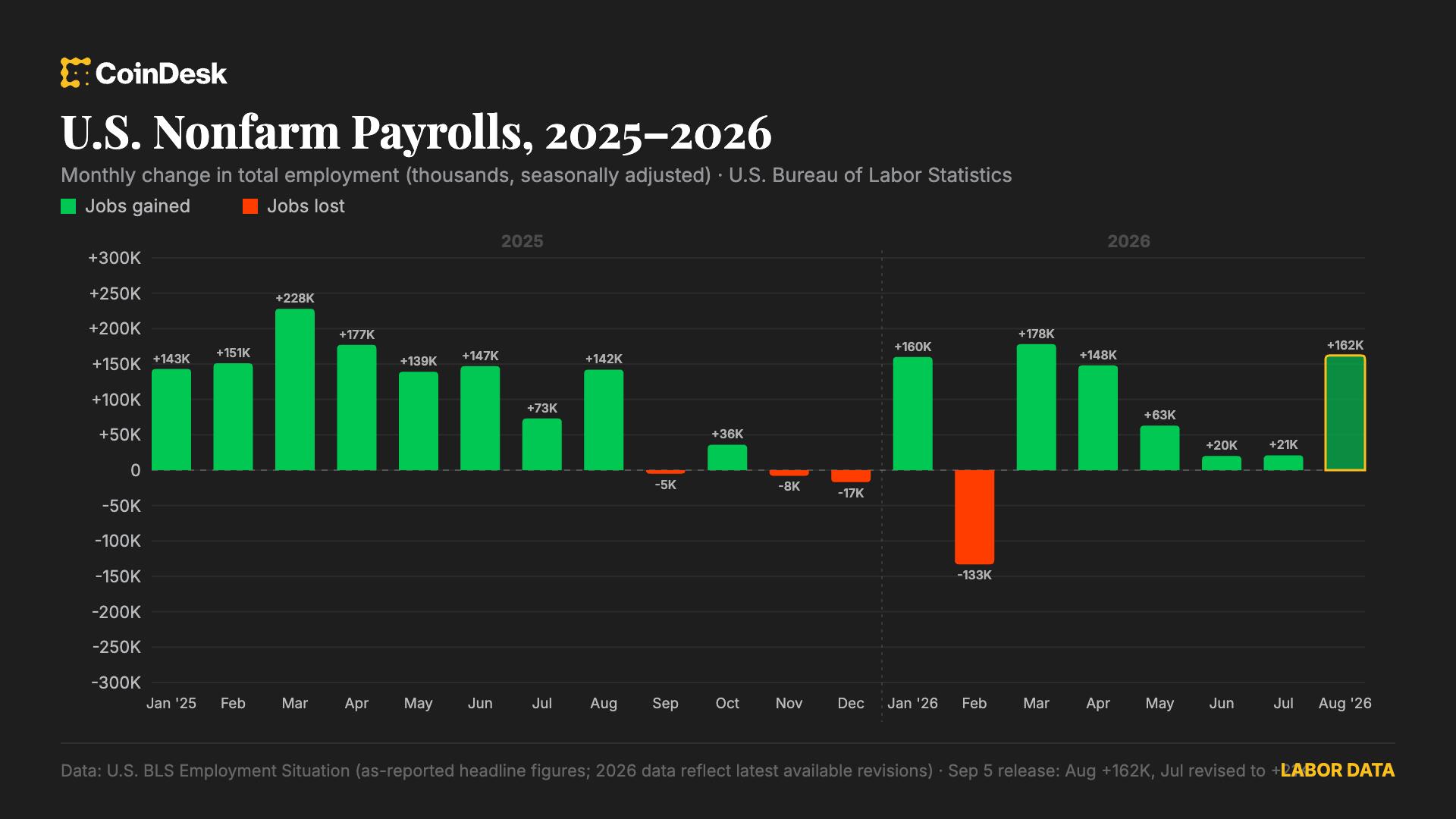
The latest employment report from the U.S. Bureau of Labor Statistics (BLS) has revealed a stronger than anticipated addition of 162,000 jobs in August, marking a significant bounce back in the labor market. This morning's report will be crucial as the Federal Reserve (Fed) considers whether to raise interest rates at its upcoming September policy meeting.
Key Takeaways from the August Employment Report
The BLS report showed that the U.S. economy added 162,000 jobs in August, surpassing economists' expectations of 150,000 new positions. This increase in employment is a welcome sign for the labor market, which had been experiencing a slowdown in recent months. The unemployment rate remained steady at 3.8%, while the labor force participation rate edged up to 62.4%.
Breaking down the job gains, the leisure and hospitality sector led the way with the addition of 74,000 jobs, followed by the professional and business services sector, which added 47,000 positions. The education and health services sector also saw a significant increase, with 44,000 new jobs created.
Implications for the Federal Reserve's Interest Rate Decision
The stronger than expected job growth in August will likely be a key factor in the Fed's decision-making process for its upcoming September policy meeting. The Fed has been closely monitoring the labor market's performance, and a robust jobs report could influence their decision on whether to raise interest rates.
With inflation still a concern, the Fed has been walking a delicate balance between supporting economic growth and addressing rising prices. A strong labor market can be a double-edged sword, as it can lead to higher wages and increased demand for goods and services, which can, in turn, fuel inflation. However, a robust jobs report can also indicate a healthy economy, which could justify a rate hike to prevent the economy from overheating.
What to Watch Next: The September Policy Meeting
The upcoming September policy meeting will be closely watched by investors and economists alike, as the Fed is expected to make a decision on interest rates. While the strong job growth in August is a positive sign, the Fed will also be considering other economic indicators, such as inflation data and GDP growth, before making a decision.
Market expectations suggest that the Fed may raise interest rates by 25 basis points, but this is still uncertain. A rate hike could have significant implications for the economy, including higher borrowing costs for consumers and businesses, which could, in turn, impact economic growth.
Conclusion
The stronger than expected job growth in August is a welcome sign for the labor market, but it also adds complexity to the Fed's decision-making process. As the Fed considers whether to raise interest rates at its September policy meeting, investors and economists will be closely watching the labor market's performance, as well as other economic indicators, to gauge the Fed's next move.
What's Next for the Labor Market?
While the strong job growth in August is a positive sign, the labor market still faces challenges, including the ongoing impact of the pandemic and the effects of the Russia-Ukraine conflict on global supply chains. As the economy continues to evolve, it will be essential to monitor the labor market's performance and adjust policies accordingly.
The September policy meeting will be a critical juncture in the Fed's decision-making process, and investors and economists will be closely watching the outcome. As the labor market continues to bounce back, it will be essential to balance the need for economic growth with the need to address inflation and prevent the economy from overheating.