
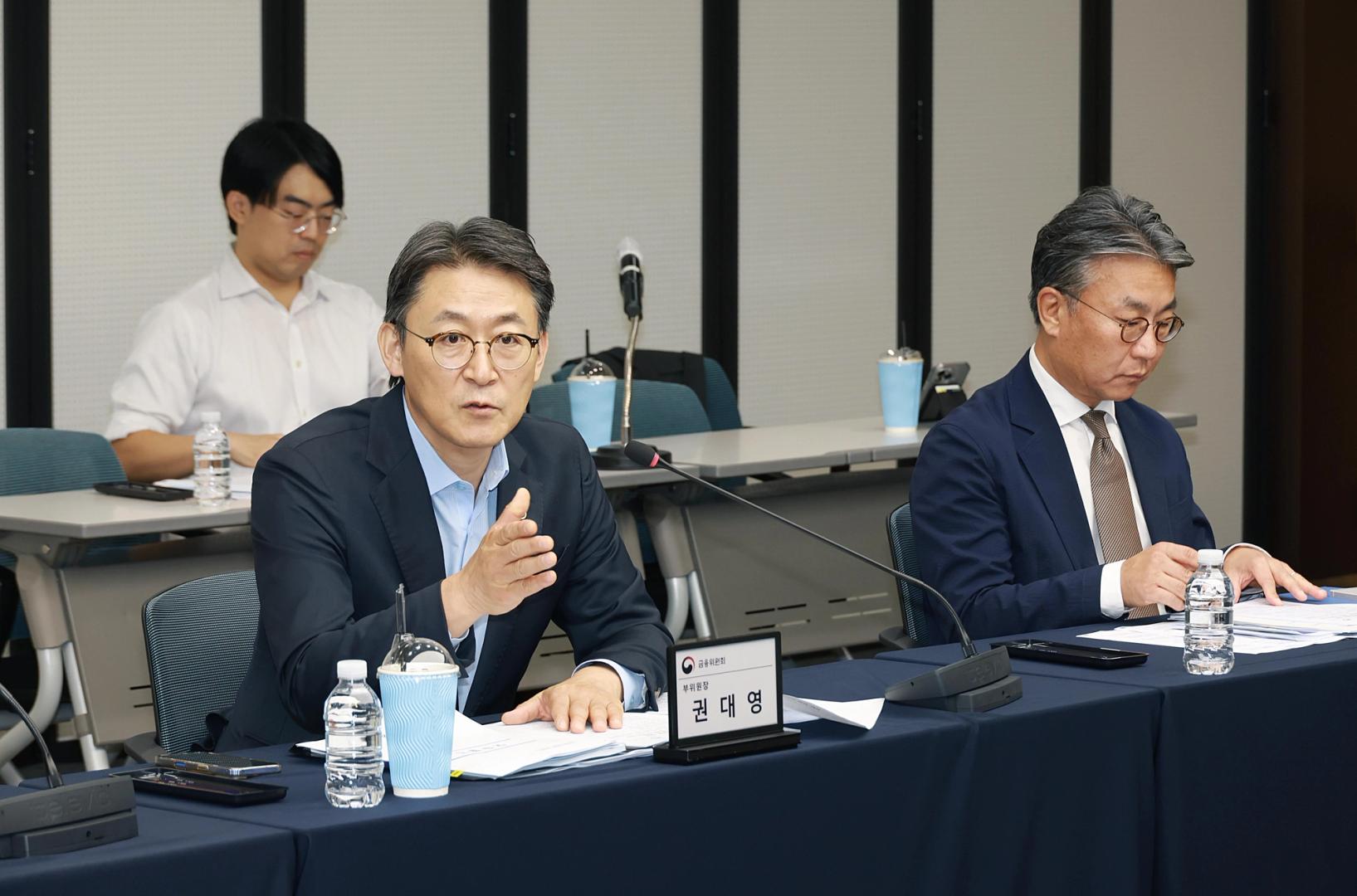
South Korea Takes a Step Towards Tokenized Securities Market
Financial regulators in South Korea have unveiled a comprehensive roadmap aimed at transitioning the country's traditional capital markets onto distributed ledgers. This ambitious plan, which has been in the works for some time, is set to conclude with the implementation of on-chain stablecoin settlement by February 2027.
The phased approach, as outlined by the regulators, is designed to ensure a smooth transition from the current traditional system to a more modern, decentralized framework. This shift is expected to bring about significant improvements in terms of efficiency, transparency, and security.
Key Components of the Roadmap
The roadmap, which has been carefully crafted to address the complexities of the traditional capital markets, consists of several key components. Firstly, the regulators plan to introduce a tokenized securities market, where traditional securities will be represented as digital tokens on a blockchain. This will enable the seamless transfer of ownership and facilitate the settlement of transactions.
Next, the regulators aim to implement a decentralized exchange (DEX) for tokenized securities, allowing for the buying and selling of these digital assets in a secure and efficient manner. This will provide investors with greater flexibility and access to a wider range of investment opportunities.
Finally, the regulators plan to introduce on-chain stablecoin settlement, which will enable the use of stablecoins as a medium of exchange for tokenized securities. This will further enhance the efficiency and security of the tokenized securities market.
Benefits of the Tokenized Securities Market
The introduction of a tokenized securities market in South Korea is expected to bring about numerous benefits for investors, issuers, and the broader financial ecosystem. Firstly, the use of blockchain technology will enable the creation of a more transparent and secure market, reducing the risk of fraud and errors.
Secondly, the tokenized securities market will provide investors with greater flexibility and access to a wider range of investment opportunities. This will enable them to diversify their portfolios and take advantage of new investment opportunities that may not have been available to them before.
Thirdly, the use of stablecoins as a medium of exchange will enable the settlement of transactions in a more efficient and secure manner, reducing the risk of settlement failures and associated costs.
Implementation Timeline
The regulators have outlined a phased implementation timeline for the tokenized securities market, with the following key milestones:
- Introduction of tokenized securities market: Q1 2025
- Implementation of decentralized exchange (DEX) for tokenized securities: Q2 2026
- Introduction of on-chain stablecoin settlement: February 2027
The regulators have emphasized the importance of a phased implementation approach, which will enable them to address any challenges and issues that may arise during the transition process.
Conclusion
The introduction of a tokenized securities market in South Korea is a significant development that has the potential to transform the country's traditional capital markets. The phased roadmap, as outlined by the regulators, is designed to ensure a smooth transition to a more modern, decentralized framework, which will bring about significant improvements in terms of efficiency, transparency, and security.
As the implementation timeline unfolds, investors, issuers, and the broader financial ecosystem will be watching closely to see how this ambitious plan unfolds. The successful implementation of the tokenized securities market will have far-reaching implications for the future of capital markets in South Korea and beyond.