
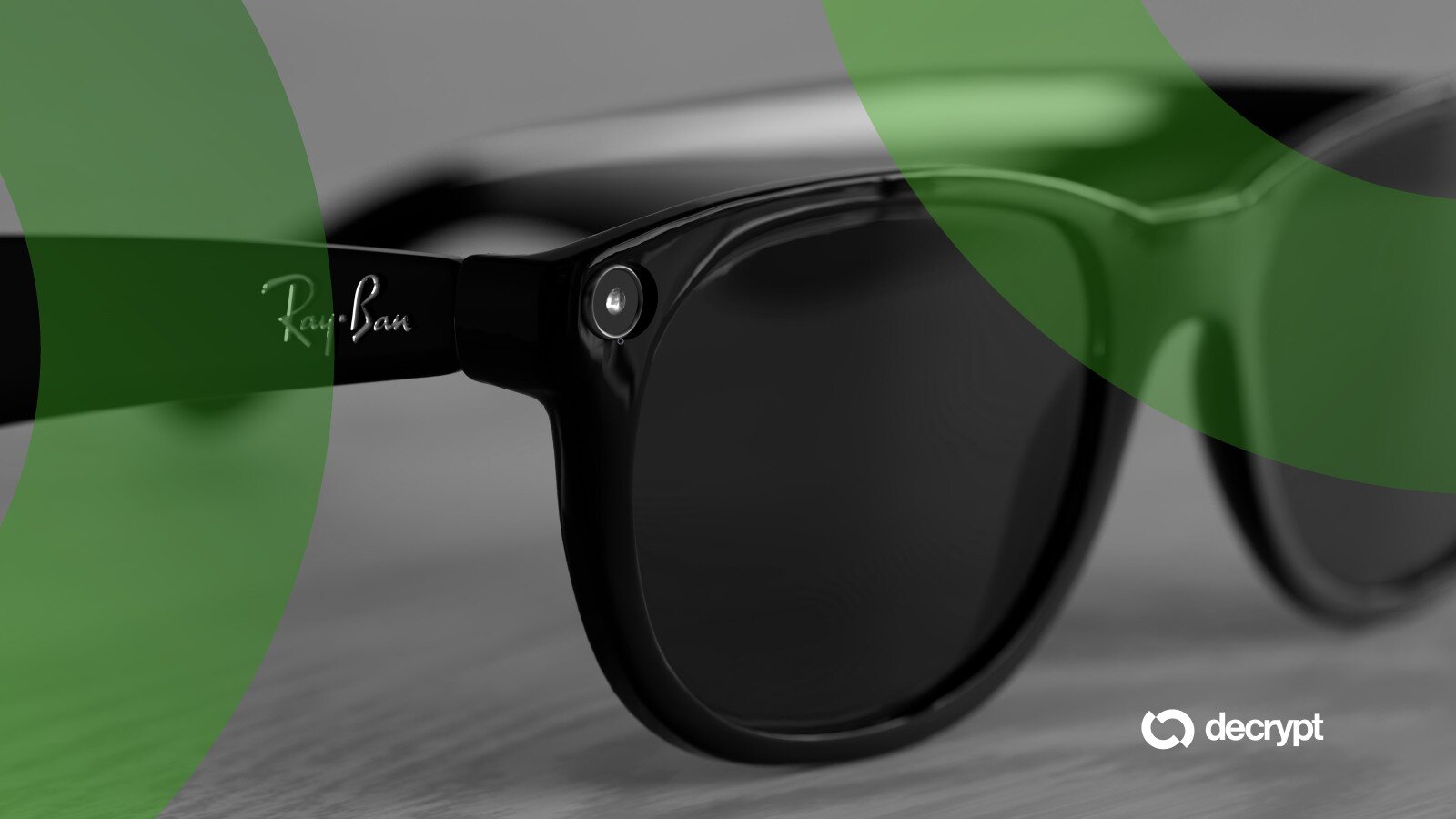
Regulatory Uncertainty Surrounds 'Pervert Glasses' in Norway
Recent developments in Norway have brought attention to the country's stance on 'pervert glasses,' a type of device that allows users to see through certain types of clothing. The Norwegian Consumer Ombudsman has taken a proactive approach to regulating these devices, urging retailers to cease sales until the law is clear.
The Norwegian Consumer Ombudsman's decision to intervene in the sale of 'pervert glasses' stems from concerns over the devices' potential misuse. The watchdog's primary goal is to protect consumers from products that may be used to infringe on individuals' right to privacy.
Background on 'Pervert Glasses'
'Pervert glasses' are a type of device that utilizes advanced technology to enhance the user's ability to see through certain types of clothing. These devices often employ facial recognition software and other advanced features to provide users with a more detailed view of their surroundings.
The use of 'pervert glasses' has sparked controversy in various countries, with some arguing that the devices infringe on individuals' right to privacy. Others have raised concerns over the potential misuse of these devices, particularly in public spaces.
Regulatory Action in Norway
The Norwegian Consumer Ombudsman's decision to urge retailers to stop selling 'pervert glasses' is a significant development in the country's regulatory landscape. The watchdog's actions are aimed at ensuring that retailers comply with existing laws and regulations regarding the sale of these devices.
By urging retailers to cease sales, the Norwegian Consumer Ombudsman is effectively creating a de facto ban on the sale of 'pervert glasses' until the law is clear. This move is likely to have a significant impact on the market, as retailers may choose to comply with the watchdog's request to avoid potential legal repercussions.
Implications and Next Steps
The Norwegian Consumer Ombudsman's actions have significant implications for the regulation of 'pervert glasses' in Norway. The watchdog's decision to intervene in the sale of these devices sets a precedent for future regulatory action, potentially influencing the development of similar products in the country.
As the regulatory landscape continues to evolve, it is essential to monitor the situation closely. The Norwegian Consumer Ombudsman's actions may serve as a model for other countries to follow, potentially leading to a broader discussion on the regulation of 'pervert glasses' and similar devices.
Facial Recognition Ban Weighed
Additionally, the Norwegian Consumer Ombudsman has weighed the possibility of banning facial recognition technology in the country. This move would have significant implications for the development and use of facial recognition software in Norway, potentially influencing the broader debate on the use of this technology.
The Norwegian Consumer Ombudsman's decision to weigh a facial recognition ban is a significant development in the country's regulatory landscape. As the debate on facial recognition technology continues to unfold, it is essential to monitor the situation closely and understand the potential implications for the industry.
Conclusion
The Norwegian Consumer Ombudsman's actions regarding 'pervert glasses' and facial recognition technology have significant implications for the regulation of these devices in Norway. As the regulatory landscape continues to evolve, it is essential to monitor the situation closely and understand the potential implications for the industry.
The watchdog's decision to intervene in the sale of 'pervert glasses' and weigh a facial recognition ban sets a precedent for future regulatory action, potentially influencing the development of similar products in the country.