
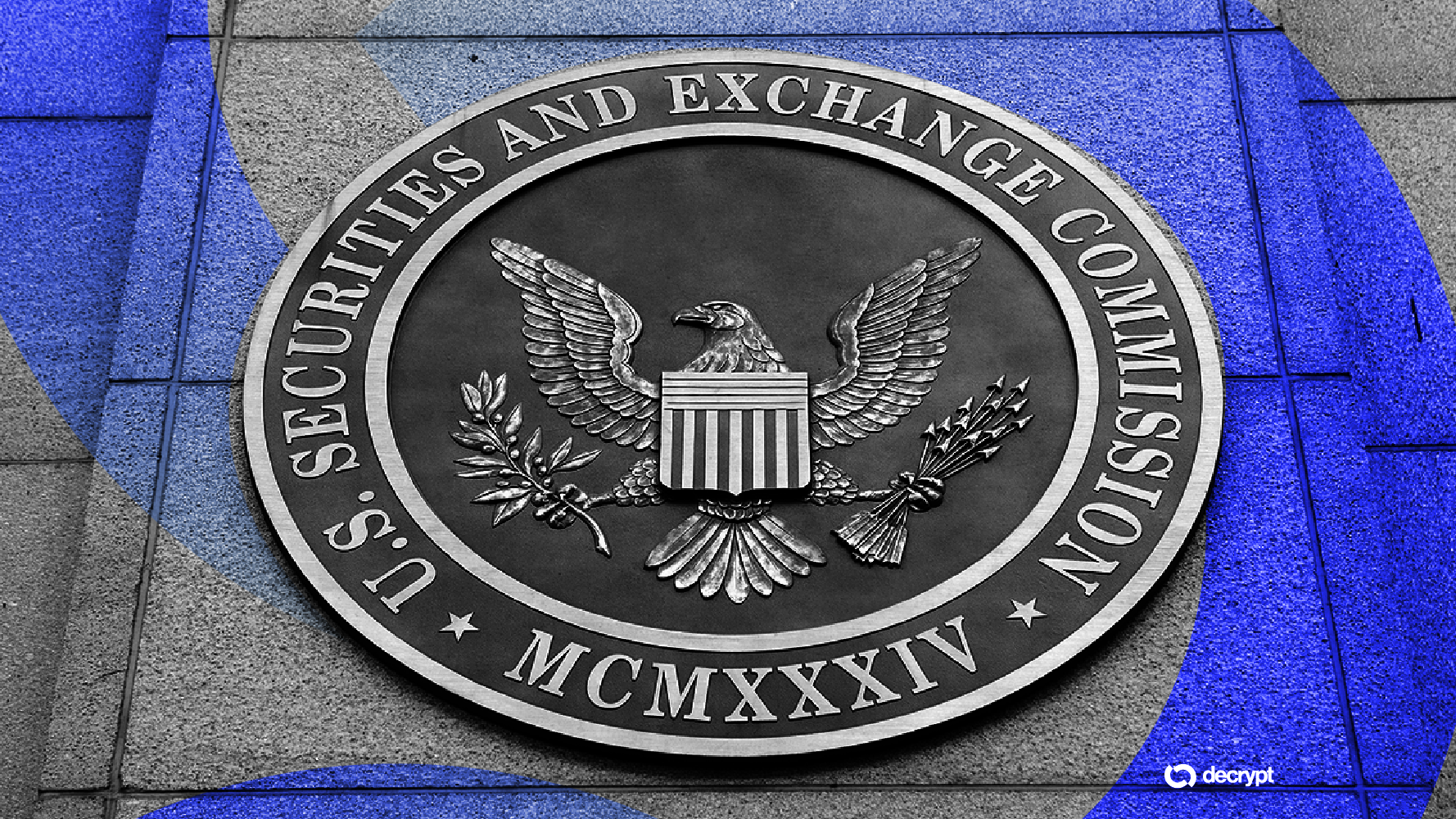
Industry Groups Call for Tailored Regulations on Novel ETFs
Several prominent crypto groups have recently petitioned the US Securities and Exchange Commission (SEC) to adopt a more tailored approach to regulating novel exchange-traded funds (ETFs). The groups, which include The Crypto Council for Innovation, Grayscale, and Andreessen Horowitz's venture capital arm, a16z, have emphasized the need for streamlined reviews and the preservation of existing fund classifications.
Background on the SEC's ETF Regulations
The SEC has long been a key regulatory body in the US, overseeing the country's securities markets and ensuring compliance with relevant laws and regulations. In the context of ETFs, the SEC has traditionally applied a one-size-fits-all approach, subjecting all new ETFs to a rigorous review process. This process involves a thorough examination of the fund's investment strategy, underlying assets, and potential risks to investors.
However, the crypto industry has grown significantly in recent years, with the emergence of novel ETFs that do not fit neatly into the existing regulatory framework. These new ETFs often involve complex investment strategies and underlying assets, such as cryptocurrencies and decentralized finance (DeFi) protocols. As a result, the traditional review process can be time-consuming and burdensome, hindering the development of innovative ETFs.
Industry Groups' Call for Reform
The Crypto Council for Innovation, Grayscale, and a16z have collectively urged the SEC to adopt a more tailored approach to regulating novel ETFs. In their petition, the groups emphasized the need for streamlined reviews and the preservation of existing fund classifications. This would enable the SEC to focus on the most critical aspects of each ETF, rather than imposing a one-size-fits-all approach.
The groups also highlighted the importance of preserving existing fund classifications, which would allow ETFs to be categorized based on their underlying assets and investment strategies. This would facilitate a more efficient review process, as the SEC would be able to draw on its existing knowledge and expertise in evaluating similar ETFs.
Significance and Implications
The industry groups' call for reform has significant implications for the development of novel ETFs in the US. If the SEC were to adopt a more tailored approach to regulation, it could lead to a surge in the creation of innovative ETFs, which would in turn drive growth and innovation in the crypto industry.
Furthermore, a more streamlined review process would enable the SEC to focus on the most critical aspects of each ETF, rather than imposing a one-size-fits-all approach. This would help to ensure that investors are protected while also facilitating the development of innovative financial products.
What to Watch Next
The SEC's response to the industry groups' petition will be closely watched by the crypto community. If the SEC were to adopt a more tailored approach to regulating novel ETFs, it could have significant implications for the development of the crypto industry in the US.
As the regulatory landscape continues to evolve, it is essential for industry participants to stay informed about the latest developments and to engage with regulatory bodies to shape the future of the crypto industry. By working together, we can create a more efficient and effective regulatory framework that supports innovation and growth in the crypto space.
Conclusion
The industry groups' call for reform has highlighted the need for a more tailored approach to regulating novel ETFs in the US. By preserving existing fund classifications and streamlining reviews, the SEC can facilitate the development of innovative financial products while ensuring that investors are protected.
As the regulatory landscape continues to evolve, it is essential for industry participants to stay informed and engaged. By working together, we can create a more efficient and effective regulatory framework that supports innovation and growth in the crypto space.