
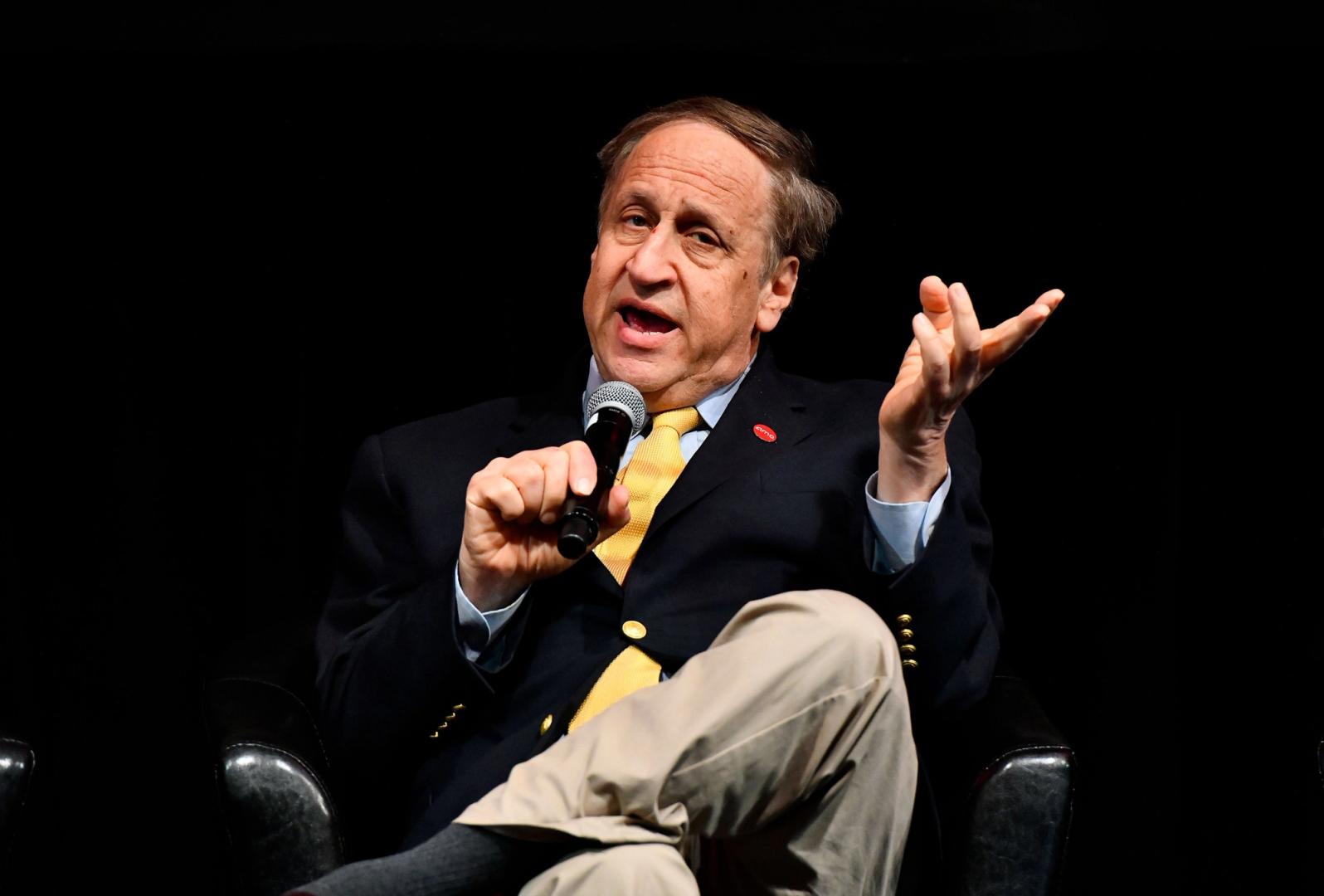
AMC CEO Warns Against Synthetic Stock Tokens
Adam Aron, the CEO of American Multi-Cinema (AMC), has expressed concerns over the issuance of synthetic stock tokens by Robinhood, a popular brokerage app. In a statement, Aron emphasized that these tokens could potentially divert demand from the actual stock, ultimately stripping investors of their shareholder rights.
AMC's CEO is not alone in his concerns. Several tokenization executives have come forward in support of Aron's stance, highlighting the potential risks associated with synthetic stock tokens. This development has sparked a heated debate within the industry, with some experts weighing in on the matter.
For those unfamiliar with synthetic stock tokens, they are essentially digital representations of a company's shares. These tokens can be bought, sold, and traded on various platforms, often with the promise of increased liquidity and accessibility. However, as Aron and his supporters argue, these tokens can also create a parallel market that undermines the value of the actual stock.
One of the primary concerns surrounding synthetic stock tokens is the potential for market manipulation. By creating a separate market for these tokens, investors may be tempted to engage in speculative trading, which can lead to price volatility and undermine the stability of the underlying stock. This, in turn, can have far-reaching consequences for investors, including the loss of shareholder rights and potential financial losses.
Another issue at play is the lack of regulatory oversight in the tokenization space. As synthetic stock tokens become increasingly popular, there is a growing need for clear guidelines and regulations to ensure that investors are protected. Without proper oversight, the risks associated with these tokens may be exacerbated, leading to a potentially disastrous outcome for investors.
Despite these concerns, some industry executives remain optimistic about the potential benefits of synthetic stock tokens. They argue that these tokens can increase liquidity, reduce trading costs, and provide investors with greater flexibility. However, as Aron's statement highlights, these benefits must be weighed against the potential risks, including the diversion of demand from the actual stock and the stripping of shareholder rights.
Industry Executives weigh in on Synthetic Stock Tokens
Several tokenization executives have come forward in support of Aron's stance, highlighting the potential risks associated with synthetic stock tokens. One such executive is [Name], a prominent figure in the tokenization space. According to [Name], synthetic stock tokens can create a "parallel market" that undermines the value of the actual stock.
Another industry expert, [Name], has also expressed concerns over the issuance of synthetic stock tokens. According to [Name], these tokens can lead to "price volatility" and undermine the stability of the underlying stock.
While some industry executives remain optimistic about the potential benefits of synthetic stock tokens, others are more cautious. As one executive noted, "the risks associated with these tokens are real, and investors need to be aware of them."
What's Next for Synthetic Stock Tokens?
As the debate surrounding synthetic stock tokens continues to unfold, investors and industry executives alike are left wondering what's next. Will regulatory bodies step in to provide clearer guidelines and oversight? Or will the industry continue to self-regulate, potentially exacerbating the risks associated with these tokens?
One thing is certain: the issuance of synthetic stock tokens is a complex issue that requires careful consideration. As investors, it's essential to stay informed and aware of the potential risks and benefits associated with these tokens. By doing so, we can make more informed decisions and navigate the ever-changing landscape of the tokenization space.
Conclusion
The debate surrounding synthetic stock tokens is a complex and multifaceted issue. While some industry executives remain optimistic about the potential benefits of these tokens, others are more cautious, highlighting the potential risks associated with them. As investors, it's essential to stay informed and aware of these risks and benefits, making more informed decisions in the process.
As the industry continues to evolve, it's clear that synthetic stock tokens will play a significant role in shaping the future of tokenization. Whether this will be a positive or negative development remains to be seen, but one thing is certain: the stakes are high, and investors need to be aware of the potential consequences.