
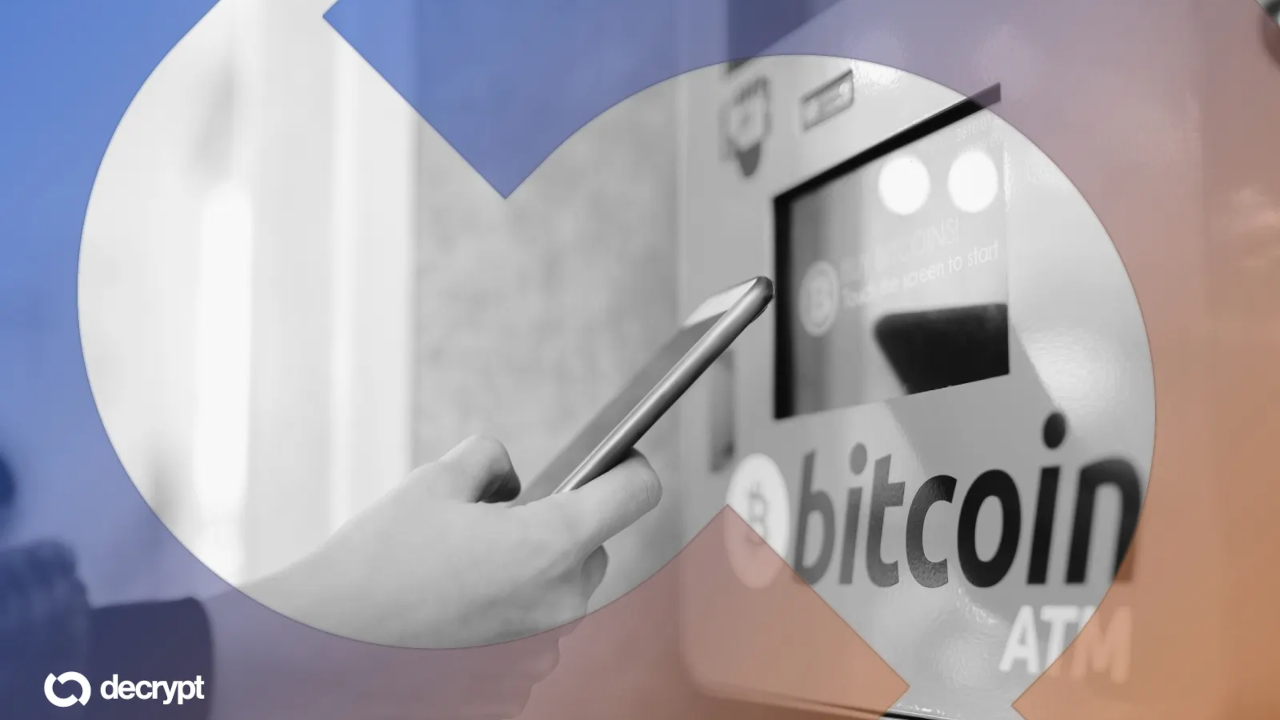
Albuquerque Bans Bitcoin ATMs Amid Growing Concerns Over Fraud
The city of Albuquerque has taken a significant step in addressing the growing issue of cryptocurrency-related fraud by banning Bitcoin ATMs within its jurisdiction. The decision, which was made by the city council, has given operators of these machines 45 days to remove them from the city.
The move comes as a response to concerns raised by a councilor, who cited alarming statistics regarding the use of these machines. According to the councilor, a staggering 90% of transactions conducted through crypto kiosks in the city are tied to fraudulent activities.
The councilor's statement highlights the perceived role of these machines as a conduit for crime. While the exact nature of these fraudulent activities remains unclear, the councilor's assertion underscores the need for increased scrutiny and regulation in the cryptocurrency space.
Bitcoin ATMs, also known as cryptocurrency kiosks or Bitcoin teller machines, allow users to purchase cryptocurrencies such as Bitcoin with cash. These machines have become increasingly popular in recent years, with many cities and towns installing them in high-traffic areas.
However, the rise of these machines has also been accompanied by concerns over their potential misuse. Critics argue that they can be used to facilitate money laundering, terrorist financing, and other illicit activities.
The Albuquerque city council's decision to ban Bitcoin ATMs is a significant development in the ongoing debate over the regulation of cryptocurrency. As the use of digital currencies continues to grow, governments and regulatory bodies are faced with the challenge of striking a balance between promoting innovation and preventing potential abuses.
The implications of this decision are far-reaching, and it remains to be seen how other cities and states will respond to the growing concerns over cryptocurrency-related fraud. One thing is certain, however: the Albuquerque city council's decision marks a significant step towards increased scrutiny and regulation in the cryptocurrency space.
As the situation unfolds, ChainPulse will continue to provide updates and analysis on the implications of this decision for the cryptocurrency community.
Background on Bitcoin ATMs
Bitcoin ATMs, also known as cryptocurrency kiosks or Bitcoin teller machines, are electronic devices that allow users to purchase cryptocurrencies such as Bitcoin with cash. These machines are typically installed in high-traffic areas, such as shopping malls, convenience stores, and restaurants.
The use of Bitcoin ATMs has become increasingly popular in recent years, with many cities and towns installing them in an effort to capitalize on the growing demand for digital currencies. However, the rise of these machines has also been accompanied by concerns over their potential misuse.
Some of the concerns surrounding Bitcoin ATMs include:
- Money laundering: Critics argue that Bitcoin ATMs can be used to facilitate money laundering by allowing users to convert cash into digital currencies.
- Terrorist financing: Some experts believe that Bitcoin ATMs can be used to facilitate terrorist financing by allowing users to purchase cryptocurrencies with cash.
- Illicit activities: Bitcoin ATMs have also been linked to other illicit activities, such as human trafficking and organized crime.
While the exact nature of these concerns remains unclear, it is evident that the use of Bitcoin ATMs has raised important questions about the regulation of cryptocurrency.
Regulatory Challenges
The regulation of cryptocurrency is a complex and evolving field. As the use of digital currencies continues to grow, governments and regulatory bodies are faced with the challenge of striking a balance between promoting innovation and preventing potential abuses.
One of the key challenges in regulating cryptocurrency is the lack of clear guidelines and regulations. While some countries have established clear guidelines for the use of digital currencies, others have not.
Another challenge is the global nature of cryptocurrency. Digital currencies are not bound by national borders, making it difficult for governments to regulate their use.
Despite these challenges, many governments and regulatory bodies are taking steps to address the growing concerns over cryptocurrency-related fraud. The Albuquerque city council's decision to ban Bitcoin ATMs is a significant development in this effort.
What's Next?
As the situation unfolds, ChainPulse will continue to provide updates and analysis on the implications of this decision for the cryptocurrency community.
It remains to be seen how other cities and states will respond to the growing concerns over cryptocurrency-related fraud. Will other cities follow Albuquerque's lead and ban Bitcoin ATMs, or will they take a more nuanced approach to regulation?
One thing is certain, however: the Albuquerque city council's decision marks a significant step towards increased scrutiny and regulation in the cryptocurrency space. As the use of digital currencies continues to grow, it is likely that we will see more efforts to address the growing concerns over cryptocurrency-related fraud.
ChainPulse will continue to provide updates and analysis on this developing story as more information becomes available.